
Achieving universal energy access requires more than deploying renewable energy technologies. It depends on creating the policies, regulations, technical standards and market conditions that enable sustainable investment at scale.
Through the Africa Minigrids Program (AMP), this initiative supports Ethiopia in strengthening its national mini-grid ecosystem by developing regulatory frameworks, implementing pilot delivery models and promoting productive uses of renewable energy. By combining technical assistance, stakeholder engagement and institutional capacity building, the project helps lay the foundations for an inclusive and resilient decentralized energy sector.
Why it matters
Mini-grids have the potential to accelerate rural electrification across Ethiopia, providing reliable and affordable electricity to communities where extending the national grid is technically challenging or economically unfeasible.
Yet scaling decentralized energy requires more than infrastructure. Clear regulations, transparent investment frameworks, sustainable operation models and long-term planning are essential to attract private investment and ensure that mini-grids remain viable throughout their lifecycle.
This project addresses these systemic challenges by supporting the development of a stronger enabling environment—one that encourages innovation, improves investor confidence and ensures renewable energy delivers lasting social and economic benefits.
What the project does
The project strengthens Ethiopia’s renewable mini-grid sector through an integrated approach that combines policy development, technical assistance and pilot implementation.
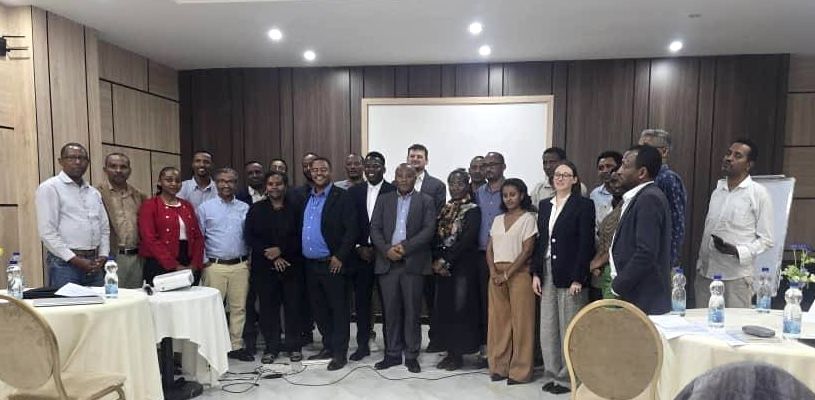
Activities include facilitating a national dialogue on mini-grid delivery models, developing technical provisions and grid arrival regulations, creating a national strategy for mini-grid decommissioning and waste management, and establishing operational guidelines that promote circularity throughout the asset lifecycle.
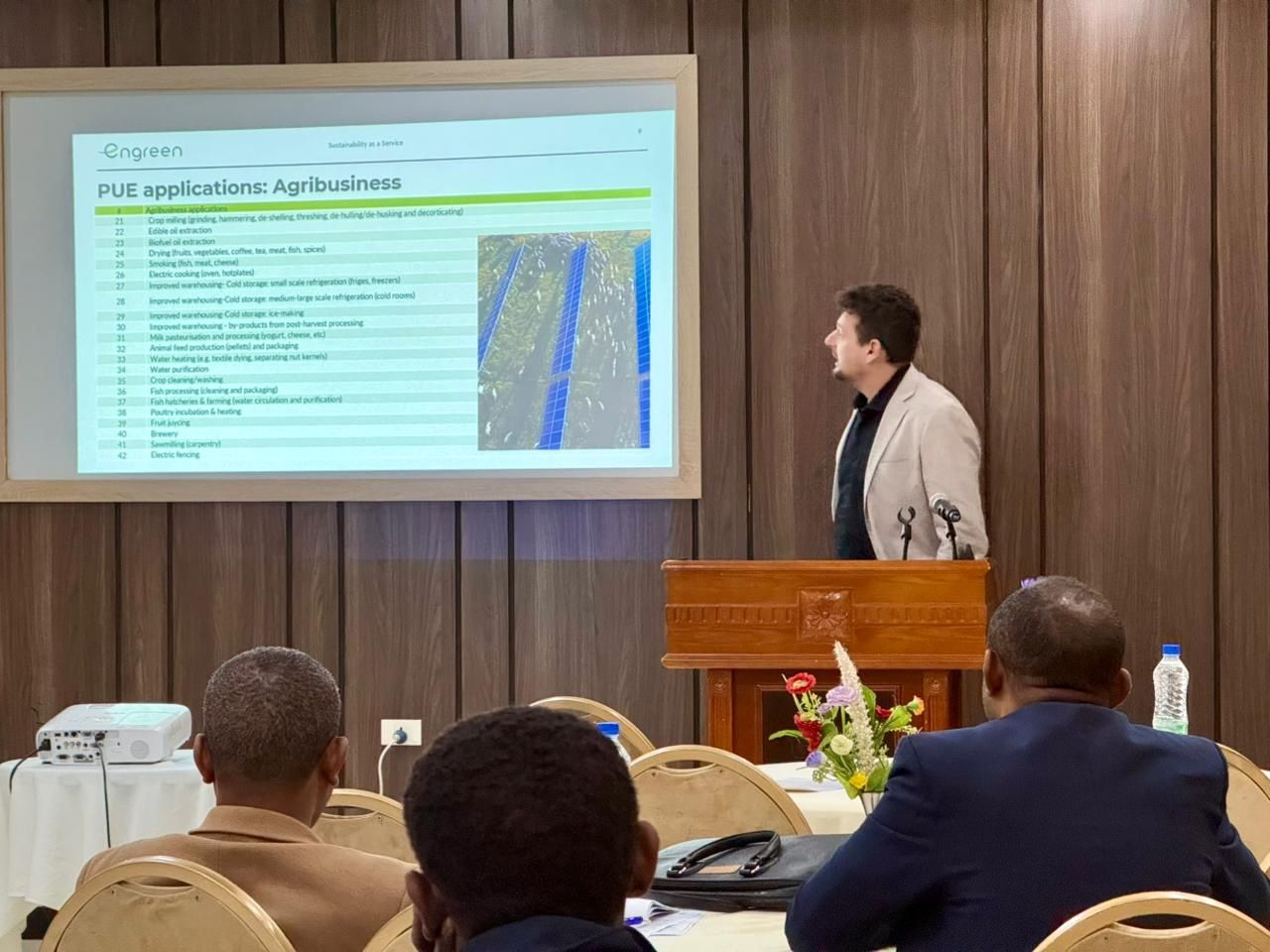
Alongside these regulatory activities, the project supports the design and procurement of cooperative mini-grid pilots while promoting the productive use of electricity through capacity building, business development support and targeted technical assistance for mini-grid operators and local enterprises, with a particular focus on strengthening opportunities for women-led businesses.
Rather than delivering isolated interventions, the project creates the institutional, technical and operational conditions needed for renewable mini-grids to become a scalable solution for rural electrification across Ethiopia.
Expected impact
The project contributes to building a stronger, more resilient and investment-ready mini-grid market in Ethiopia.
By strengthening regulatory frameworks, supporting pilot implementation and improving institutional capacities, the initiative reduces barriers to investment while enabling the sustainable deployment of decentralized renewable energy systems.
Its long-term impact extends beyond electrification. By promoting productive uses of energy, supporting local entrepreneurship and integrating circular economy principles into mini-grid planning, the project helps ensure that renewable energy becomes a catalyst for economic development, job creation and inclusive growth across rural communities.
Engreen’s Role
At Engreen, we lead key activities that bridge technical innovation with implementation.
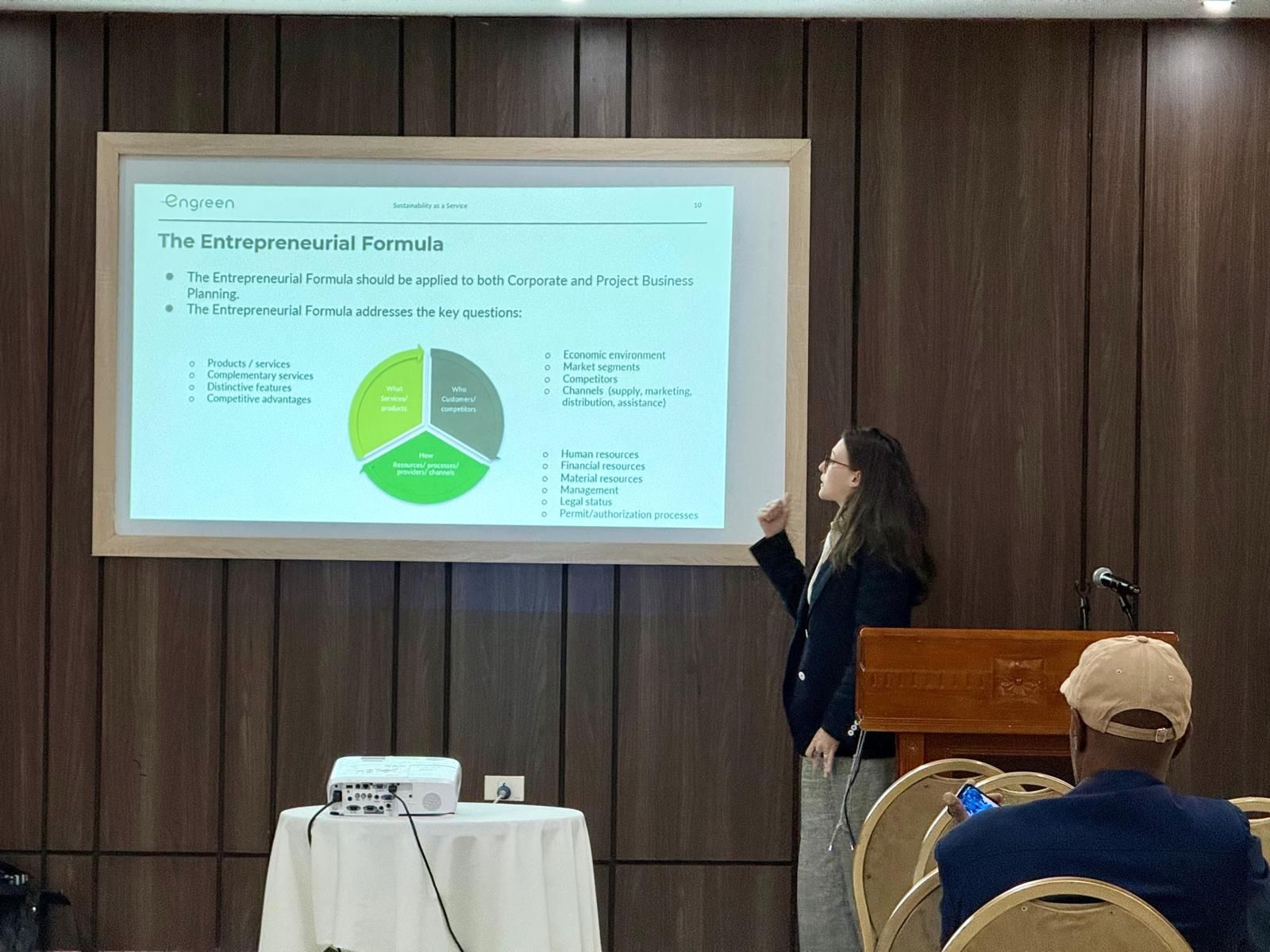
Our role includes coordinating the national dialogue on mini-grid delivery models, leading the development of cooperative pilot initiatives, supporting productive use of energy activities and providing technical assistance to strengthen local businesses and mini-grid operators. We also contribute to the development of technical provisions and regulatory frameworks that will support the long-term growth of Ethiopia’s decentralized energy sector.
By combining engineering expertise, stakeholder engagement and capacity building, we help transform policy ambitions into practical solutions that enable sustainable energy access and long-term market development.energy communities, capacity building, and sustainable infrastructure development.
Consortium
The project is implemented through a consortium combining international technical expertise with local and regional experience:
- Estudios Energéticos Consultores (EEC / GME) – Uruguay
- Engreen – Italy
Client
- United Nations Development Programme (UNDP), Ethiopia, under the Africa Minigrids Program (AMP).
